
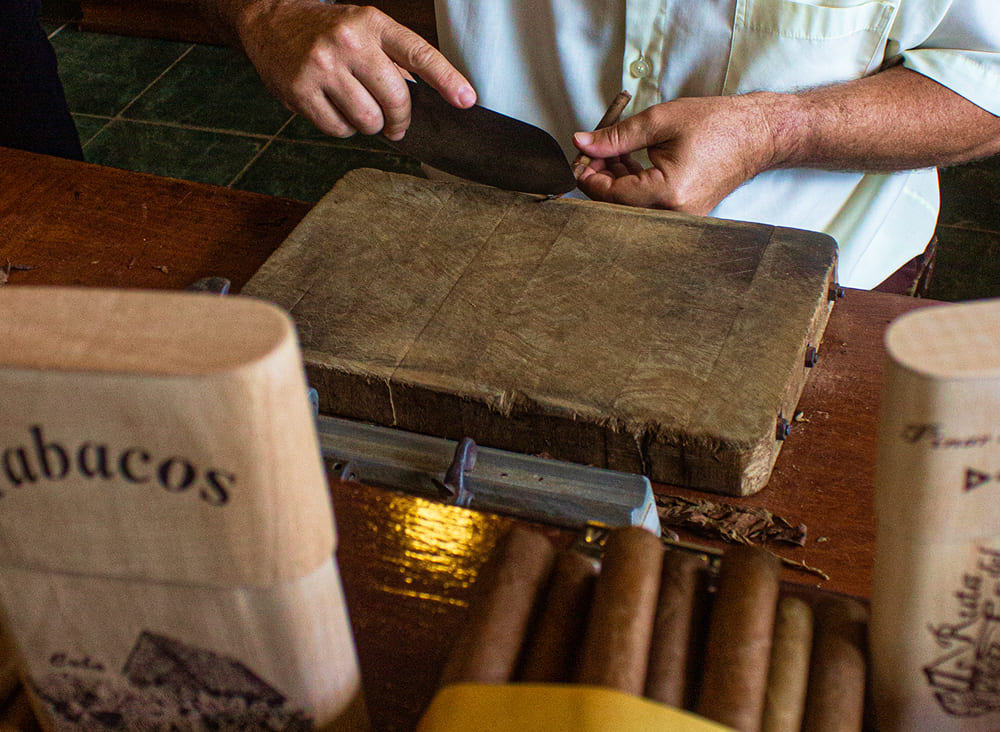
The Art Behind Hand-Rolled Cigars
Hand-rolled cigars represent a tradition that combines craftsmanship, patience, and cultural heritage. Unlike machine-made cigars, each hand-rolled cigar is carefully crafted by skilled artisans known as torcedores, who have often spent years mastering the techniques required to create a perfect cigar. Every step of the process—from selecting the tobacco leaves to shaping the final product—requires precision, experience, and a deep understanding of tobacco.
The process begins with the careful cultivation and harvesting of tobacco leaves. Tobacco used for premium cigars is grown in specific climates and soils that influence its flavor and aroma. After harvesting, the leaves undergo curing and fermentation, which can take several months or even years. This process develops the rich flavors and smooth characteristics that cigar enthusiasts appreciate.
Once the tobacco is ready, the torcedor begins assembling the cigar. A hand-rolled cigar typically consists of three main components: the filler, the binder, and the wrapper. The filler is made of several tobacco leaves that determine the body and complexity of the cigar. The binder holds the filler together, while the wrapper—the outermost leaf—is carefully selected for its appearance, texture, and flavor. The wrapper is often considered the most important visual and aromatic element of the cigar.
Rolling a cigar by hand requires remarkable dexterity and consistency. The torcedor must distribute the filler evenly to ensure proper airflow and a smooth draw when the cigar is smoked. Using a wooden mold, the cigar is pressed to achieve its final shape before the wrapper is applied. The wrapper is then skillfully stretched and trimmed, creating the elegant finish that distinguishes premium cigars.
Beyond the technical process, hand-rolled cigars are also a symbol of tradition and artistry. In many cigar-producing regions, such as the Caribbean and parts of Central America, cigar rolling is passed down from generation to generation. Factories often maintain time-honored techniques that have remained largely unchanged for decades, preserving the authenticity and cultural value of the craft.
For cigar enthusiasts, enjoying a hand-rolled cigar is more than simply smoking tobacco—it is experiencing the result of careful agriculture, skilled craftsmanship, and centuries of tradition. Each cigar tells a story of the hands that crafted it and the land where its tobacco was grown, making every smoke a unique and memorable experience.

