Different Cigars and Information
Cigars have been enjoyed for centuries and are often associated with tradition, craftsmanship, and relaxation. From the careful cultivation of tobacco leaves to the meticulous rolling process, cigars represent a rich cultural heritage that spans many regions of the world. Understanding the different types of cigars and how they are made can help both beginners and enthusiasts appreciate the experience even more.
What Is a Cigar?
A cigar is a tightly rolled bundle of fermented and dried tobacco leaves designed to be smoked. Unlike cigarettes, cigars are usually made entirely from tobacco leaves without paper. A typical cigar is composed of three main parts: the filler, the binder, and the wrapper. The filler forms the core and provides most of the flavor. The binder holds the filler together, while the wrapper is the outer leaf that gives the cigar its final appearance and contributes significantly to its taste.
Types of Cigars
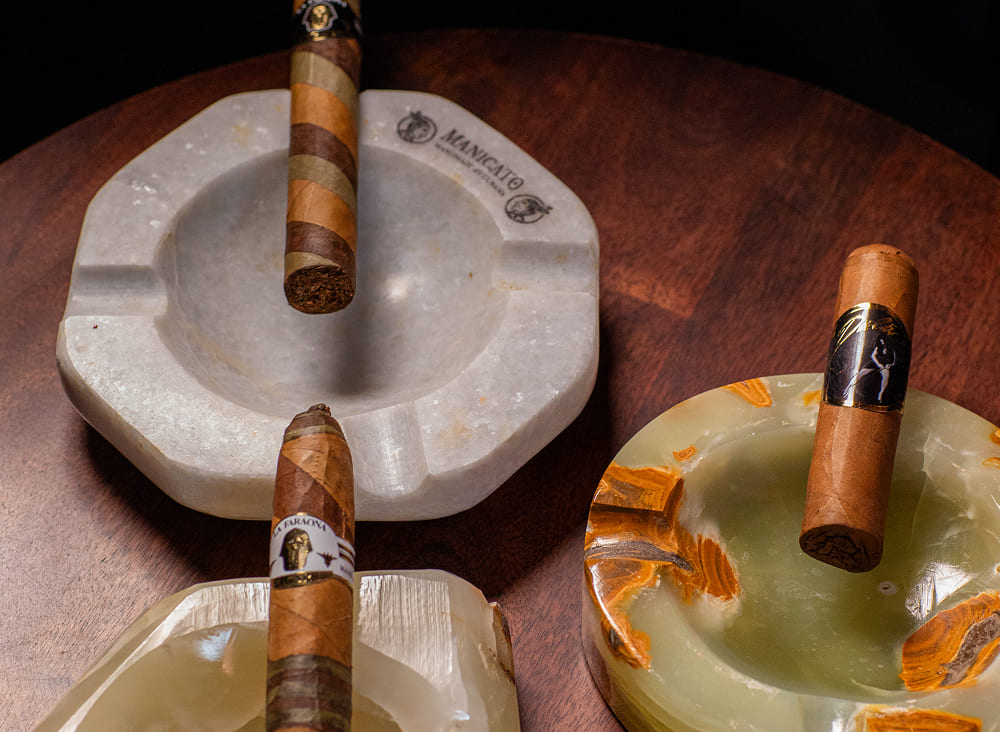
There are many different types of cigars, often categorized by their size, shape, and construction. One of the most common categories is parejos, which are straight-sided cigars with a cylindrical shape. These are the traditional cigars most people recognize.
Another category is figurados, which have irregular shapes such as tapered heads or closed feet. Examples include torpedoes, pyramids, and perfectos. These shapes can influence how the cigar burns and how the flavors develop during the smoking experience.
Strength and Flavor Profiles
Cigars also vary in strength and flavor. Some cigars are mild and smooth, making them ideal for beginners, while others are medium or full-bodied with more intense flavors. Flavor notes can include earthy, spicy, nutty, creamy, or even slightly sweet characteristics depending on the tobacco blend and the region where the leaves are grown.
Tobacco Growing Regions
Many countries produce tobacco for cigars, each offering unique characteristics. Countries in the Caribbean and Latin America are especially famous for cigar production. Climate, soil composition, and farming techniques all influence the final taste of the tobacco leaves. Because of these regional differences, cigar enthusiasts often enjoy exploring cigars from different parts of the world.
How Cigars Are Made
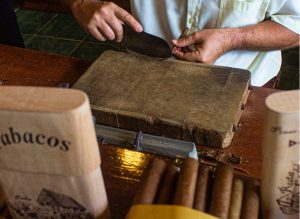
The process of making cigars involves several stages. First, tobacco leaves are harvested and cured to remove moisture. After curing, the leaves are fermented to develop flavor and aroma. Skilled rollers, often called torcedores, then assemble the cigar by hand, carefully selecting the right combination of filler, binder, and wrapper leaves. The finished cigars are aged before being packaged and distributed.
Enjoying Cigars Responsibly
Cigar smoking is often viewed as a slow and social activity. Many people enjoy cigars during special occasions or while relaxing with friends. Because cigars are typically stronger than cigarettes and contain significant amounts of nicotine, it is important to enjoy them responsibly and in moderation.
Conclusion
Cigars represent a blend of tradition, agriculture, and skilled craftsmanship. By learning about the different types of cigars, their flavor profiles, and the regions where they are produced, smokers can develop a deeper appreciation for the artistry involved in every cigar. Whether someone is new to cigars or already experienced, exploring the world of cigars can be both educational and enjoyable.